Articles

How Pierre Wack foresaw the oil crisis at Shell. On the limits of forecasting, complex systems, and preparing for the future through "rehearsal of the mind."
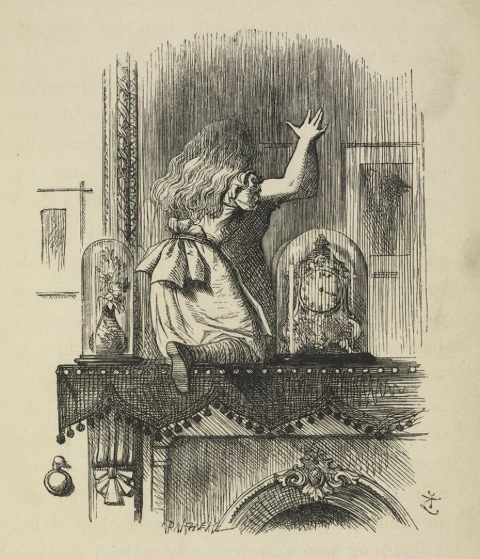
Moving beyond the Singularity: An analysis of emergent behavior in LLMs using complexity theory, Hofstadter’s Strange Loops, and the biological braid of evolution.
Sustainability and organizational theory along with complex systems are the hot topics of this century, at least for the first half. Yet, the broad and farsighted views of E.F. Schumacher, Charles Handy, and C.S. Holling provide deep insights from the 20th century. This is an attempt to bring them together.

As observed by the French Revolution, social cooperation can also break down when society's sense of justice is eroded. This is clarified by cooperation researchers Yuval Harari and Robert Axelrod.

Genetic algorithms are used in many fields today to solve problems with an evolutionary approach. This article mentions an approach to software bug fixing utilizing Genetic algorithms, as well as other uses in other fields.
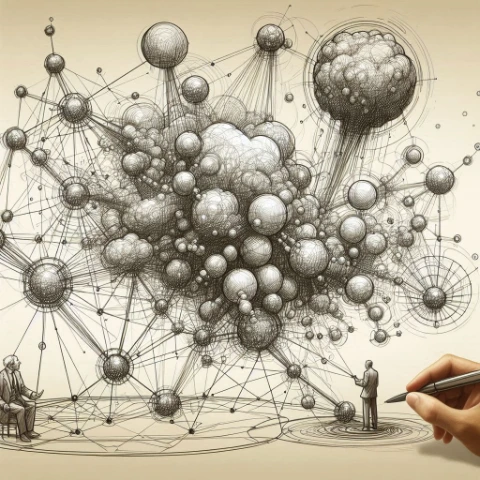
How an upstart node, whether it is a new venture in the business world, a new genius in the academic world, a non-governmental organization, a political initiative or a sports team, can increase the probability of attracting more connections.
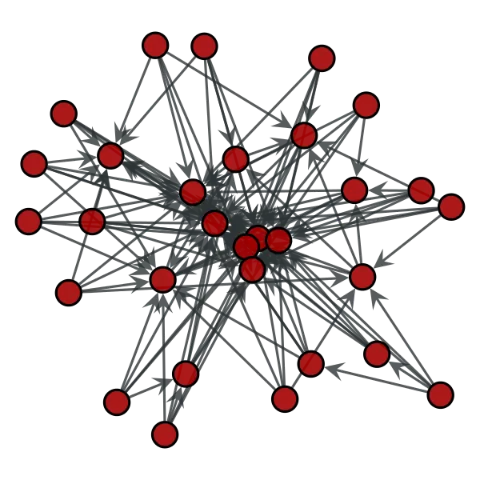
In this first part, I am explaining the Barabási-Albert model, which shows that in social, economic, biological, ecological, and electronic networks the elements which already have more connections are preferred.

The mesmerizing behavior of starling flocks and schools of fish depending on very few and simple rules, creating very complex flight and swim patterns sheds light for us to understand complexity

As our understanding of the complexity of the nature is less filtered by our yearning of idealist harmony, we are shifting away from a Gaussian view of events towards a Paretian world.